
Cognitive Skills
Enhances problem-solving abilities and critical thinking.
2025-04-22
Crafting brings joy, but did you know it’s also a powerful tool for early development? Engaging toddlers in DIY puzzle crafts is not just fun; it nurtures essential skills that last a lifetime. Let’s dive into the incredible benefits that these simple activities can offer!
The benefits of DIY puzzles for toddlers can be categorized into various developmental areas. Below is a summary of these essential skills.
TIP: Take photos of your child’s creations to create a memorable scrapbook.
Enhances problem-solving abilities and critical thinking.
Improves hand-eye coordination through crafting activities.
Encourages imaginative thinking and personal expression.
Promotes teamwork and communication when working with others.
At Tots Tutor, we believe that learning should be both fun and enriching! DIY puzzle crafts are an excellent way to engage toddlers while supporting their development. These simple activities not only spark curiosity but also provide a hands-on approach to learning important skills. For more engaging activities, check out our guide on fine motor skills activities for toddlers.
Crafting DIY puzzles allows toddlers to explore their creativity alongside cognitive growth. It’s fascinating to see how something as simple as cutting shapes and fitting them together can open up a world of learning opportunities. By incorporating these activities into playtime, we help little learners build essential skills while having a blast.
DIY puzzles play a vital role in fostering toddler development. They not only entertain but also support a variety of developmental areas. Here are some key reasons why these puzzles are so important:
When children engage in creating and solving puzzles, they develop a sense of accomplishment. This not only boosts their confidence but also inspires them to tackle more complex tasks in the future. As a passionate educator, I’ve seen firsthand how engaging activities like these can ignite a love for learning! For another creative fall activity, check out our pumpkin painting sensory play guide.
Puzzle play is a fantastic way to foster cognitive skills in toddlers. As they figure out how to fit pieces together, they enhance their critical thinking and analytical abilities. This process of trial and error is essential in building a solid foundation for future learning.
Moreover, when toddlers encounter challenges while assembling puzzles, they learn resilience. They understand that making mistakes is a part of learning! This mindset is crucial for their overall development and can positively impact their approach to new experiences.
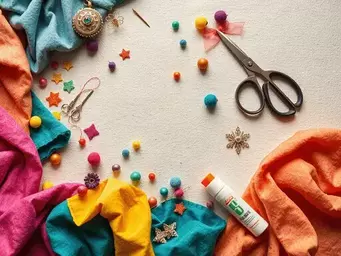
Homemade puzzles offer a wonderful avenue for encouraging creativity and imagination. By using materials like cardboard, old magazines, or even fabric scraps, toddlers can create unique puzzles that reflect their interests and personalities. The possibilities are endless!
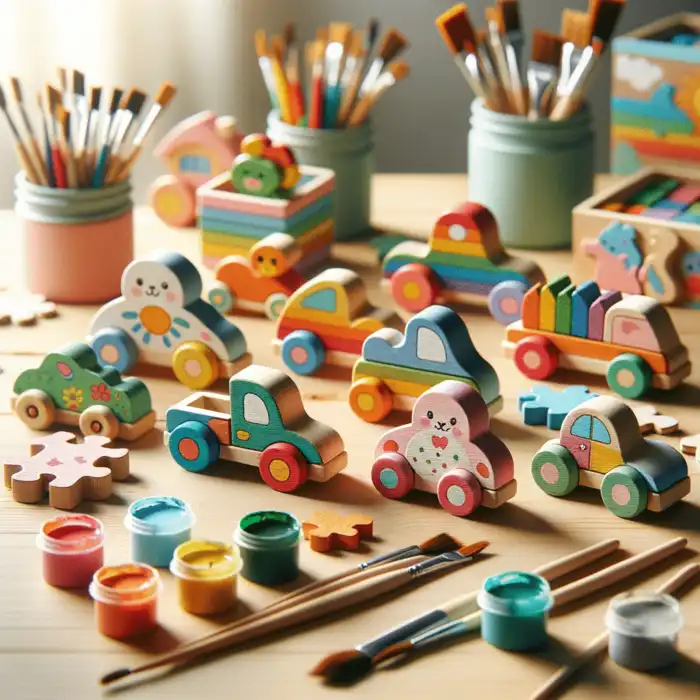
At Tots Tutor, I always emphasize the importance of letting toddlers express themselves through art and crafts. Whether they choose to decorate their puzzles with stickers or paint, each creation becomes a personal masterpiece. This kind of artistic expression is not only enjoyable but also vital for their emotional development. For more ideas on extending the creative process, see our article on fun crafting ideas for kids.
Understanding the connection between DIY puzzles and child development milestones is important for parents and caregivers. Each puzzle crafted can enhance specific skills that align with developmental stages. Here are some key links:
As toddlers create and play with their DIY puzzles, they’re reaching important milestones in their development. It’s exciting to witness the progress they make through these enjoyable activities!
Crafting DIY puzzles is an excellent way to enhance fine motor skills in toddlers. Activities like cutting, gluing, and assembling pieces require precision and control, which are essential for their growing dexterity. These skills are vital for everyday tasks, such as writing and buttoning clothing!
By incorporating various crafting techniques, we can further support toddlers’ fine motor development. For example, using scissors to cut shapes or threading pieces together can significantly enhance their hand-eye coordination. I love encouraging parents to get creative with these crafts!
Problem-solving and critical thinking are crucial skills for toddlers to develop. Through the process of creating and completing puzzles, they learn how to approach challenges systematically. Each puzzle presents an opportunity to think critically and find solutions.
As they navigate through the steps of completing a puzzle, toddlers practice breaking down tasks into manageable parts. This skill will serve them well as they confront more complex challenges in the future! I’m constantly amazed at how much growth can come from such simple activities. To find more age-appropriate activities, visit our page on easy toddler activities for learning.
Here's a brief recap of the key points discussed so far:
When it comes to DIY puzzle crafts, keeping your toddler engaged is essential for a fun and educational experience! At Tots Tutor, I’ve found that using visual aids can really make a difference in how well your little one understands the crafting process. Whether it’s through images or videos, these tools help clarify instructions and spark excitement about making their very own puzzles.
Visual aids can include:
By presenting the instructions in a visually appealing way, toddlers are more likely to stay interested and involved. Watching a video of another child creating a puzzle can inspire your little one to jump right in and start crafting!
Parental involvement during crafting can significantly enhance the DIY experience! As a passionate advocate for creative early learning, I encourage parents to participate actively in these fun activities. Offering guidance not only helps the child stay focused but also strengthens the parent-child bond.
Here are some tips for parents to facilitate engaging activities:
These moments not only foster learning but also create lasting memories! So, don’t be shy—jump in and get your hands messy with your little ones!
Once your toddler has enjoyed their DIY puzzle crafting experience, it's time to encourage more creativity! There are countless activities that can complement their newfound skills and keep the fun going. At Tots Tutor, I love exploring ways to extend learning and creativity beyond just one craft. For more inspiration, check out our guide filled with crafts and activities to inspire creativity.
Some related activities to consider include:
These activities not only foster creativity but also encourage social skills through collaboration with others!
Family activities can offer even more opportunities for learning. Working together on projects, like a family puzzle race or a themed puzzle night, makes crafting a shared experience. Plus, it teaches toddlers about teamwork and collaboration in a fun way! For seasonal family fun, you might enjoy our ideas for summer water table ideas.
Consider setting up a craft night with:
Encouraging family participation not only enhances the learning experience but also promotes a love for creativity and learning in your toddler!
To recap, engaging in DIY puzzles offers a wealth of educational benefits for toddlers. From enhancing cognitive skills to promoting creativity, these activities play a significant role in early development. More importantly, they create joyful learning experiences that families can cherish.
I invite parents to share their DIY puzzle experiences! Hearing about your successes and challenges can inspire others and foster a community of creative learning. Remember, the journey of learning through play is what truly matters, and every little achievement counts!
Let’s keep the joy of crafting alive and encourage our toddlers to explore the world through creative play!
Here is a quick recap of the important points discussed in the article:
DIY puzzles boost cognitive skills (problem-solving, critical thinking), fine motor skills (hand-eye coordination), creativity (imaginative thinking), and social skills (teamwork, communication).
Use visual aids like step-by-step photos or videos. Active parental involvement strengthens the bond and keeps children focused. Be patient and celebrate their creations.
Incorporate storytelling, create puzzles with different themes, or organize craft days with friends. Family activities enhance learning and teamwork.
DIY puzzles help toddlers reach milestones in cognitive, fine motor, and social skills development. The act of creating and solving puzzles builds confidence and encourages them to tackle more complex tasks.