


- Crafts & DIY
- Jul 26
2025-07-16
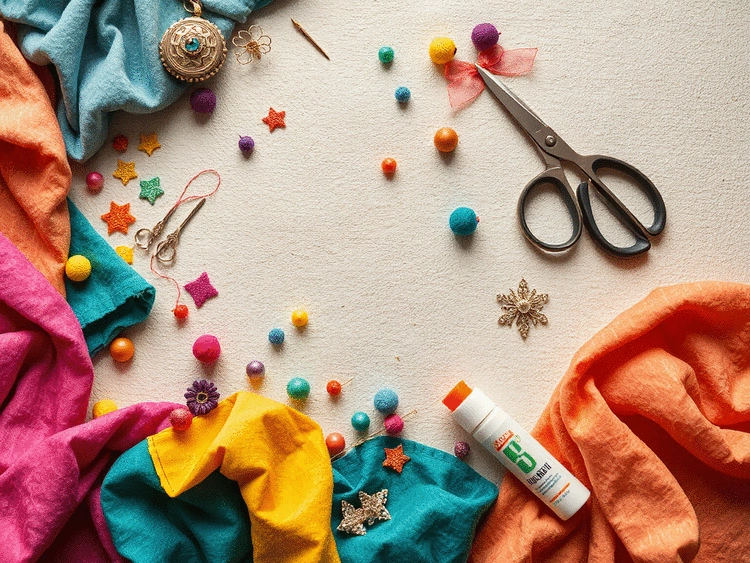
Have you ever felt the joy of transforming simple fabric into a piece of art that tells a story? Fabric collage art offers an incredible opportunity not just for creativity, but also for sensory exploration and self-expression. Dive into this engaging world where textures and colors come together to create something truly unique!
The effectiveness of different textures in fabric collage art is significant, with various textures invoking unique emotional responses and enhancing the tactile experience. Below is a visual representation of the textures discussed in the article and their characteristics.
TIP: Use child-safe scissors and non-toxic glue for all craft projects.
Sleek look, ideal for clean designs.
Added depth and character, engaging for touch.
Creates a three-dimensional effect and visual interest.
Warmth and vibrant colors, cozy vibe.
Natural, earthy feel, perfect for rustic designs.
Delicate and intricate, enhances elegance.
Fabric collage art is a fascinating way to express creativity while exploring different textures. At Tots Tutor, we believe that engaging with materials can spark curiosity and joy, especially in toddlers. This art form allows you to mix various fabrics, colors, and patterns, creating visually stunning pieces that tell a story through texture.
The beauty of fabric collage lies in its potential for limitless creativity. It encourages artists, young and old, to experiment with tactile experiences, enhancing their connection to their work. Whether you’re a beginner or seasoned artist, fabric collage art opens a world of possibilities waiting to be discovered!
So, what exactly is fabric collage art? It involves assembling different fabric pieces onto a background to create a cohesive artwork. This technique allows for a rich exploration of textures, colors, and patterns that can be both playful and meaningful. With fabric collage, you can express feelings, memories, or even tell a story. To further enhance fine motor skills, consider exploring fine motor skills activities that complement fabric collage.
The potential of fabric collage art is immense. By incorporating various fabrics and materials, you can create unique textures that engage both the eyes and hands. This not only enhances the visual appeal but also invites touch, making it an ideal activity for young learners to immerse themselves in the sensory world.
Textures play a crucial role in fabric collage art. They create depth and interest in your artwork, making it come alive! Different textures can evoke various emotions and reactions, allowing the viewer to engage on a deeper level. It's exciting to think about how a simple fabric choice can change the entire feel of a piece.
Here are some frequently asked questions about fabric collage art:
Incorporating various textures not only enhances the visual appeal but also adds a tactile interest that encourages interaction. This is particularly important for toddlers, as they learn best through touch and exploration. The more textures they encounter, the richer their sensory experience will be, which aligns perfectly with our mission at Tots Tutor to make learning enjoyable.
Exploring different art textures is essential to creating an engaging fabric collage. Some popular textures include felt, burlap, and lace, each bringing its unique feel to the artwork. For example, felt can add a soft, cozy vibe, while burlap may give a rustic charm.
As you experiment with textures, consider how they can complement each other. Mixing smooth fabrics with rough ones can create a striking contrast that draws attention. At Tots Tutor, we encourage creativity through these experiments, allowing children to discover their preferences and styles in art! You can even incorporate some spring flower coloring pages by transferring the designs onto fabric for your collage.
Here's a brief recap of the key points discussed so far:
As we wrap up our exploration of fabric collage art, it's important to reflect on the essential techniques and materials we've discussed. From the freehand cutting to the intricate stitching techniques, each aspect of this art form contributes to creating unique and textured pieces. Whether you’re layering different fabrics or experimenting with mixed media, every step in your creative journey adds depth and character to your work.
Let’s also remember the materials that can elevate our projects. Using strong adhesives, innovative fabrics, and even upcycled materials can make a significant difference in both sustainability and the final look of your artwork. At Tots Tutor, we believe every little detail counts towards making learning and crafting a joyful experience! Why not try some paper plate crafts too? They are simple and fun!
Don't forget, the world of fabric art is vast and full of possibilities! I encourage you to keep experimenting with textures and techniques. You might stumble upon your unique style when you allow yourself the freedom to play. Remember, every artist has a distinctive journey, and yours is waiting to unfold. So, dive in, explore, and make your fabric collage projects even more personal and fun!
As you continue to create, you’ll find that each project teaches you something new. Keep an open mind, and let your imagination guide you. Art is about discovery and joy, and I hope you find both in your fabric collage adventures.
I would love to hear about your fabric collage projects! Feel free to share your experiences, ask questions, or even showcase your artwork. Engaging with others in this creative space can provide fresh ideas and inspiration. Plus, it’s always exciting to connect with fellow crafters who share your passion!
For those eager to learn more, there are plenty of resources available to help you deepen your fabric collage skills. Look for workshops in your area or online tutorials that can provide step-by-step guidance. Engaging with the community can also open doors to new techniques and materials.
If you're looking for easy toddler activities, fabric collage offers a simple and fun artistic outlet that can also be educational.
Lastly, if you're searching for inspiration, there are numerous online tutorials and art blogs that can spark new ideas for your fabric collages. These resources often provide insights into new techniques and trends in fabric art, keeping your creative juices flowing! At Tots Tutor, we believe in the power of community and shared learning, so let's support each other in our artistic endeavors!
Here is a quick recap of the important points discussed in the article: