Fine Motor Skills
Kneading and shaping the dough strengthens tiny hand muscles.
2025-04-28
Did you know that combining creativity with science can significantly enhance children's learning experiences? Salt dough fossils are not just a fun crafting activity; they can ignite curiosity and foster essential skills in young learners. Let's explore the valuable lessons you can take away from this engaging project!
Salt dough fossils offer numerous educational advantages for toddlers, enhancing their learning and development through hands-on crafting. Developing fine motor skills is crucial at this age, and this activity provides a fun way to do just that. For more ideas on fine motor skills activities, check out our other resources.
TIP: Keep a variety of art supplies on hand to inspire different types of creativity.
Kneading and shaping the dough strengthens tiny hand muscles.
Children express their imagination through unique fossil designs.
Kids learn about fossil formation and natural history.
Exploring textures through natural objects enhances sensory awareness.
Creating salt dough fossils is a fantastic way to combine science with hands-on crafting! At Tots Tutor, we believe that learning through play not only helps toddlers develop essential skills but also sparks their curiosity about the world around them. This activity can be both fun and educational, allowing little ones to explore the fascinating world of paleontology while getting creative.
Salt dough is a simple, non-toxic material made from just a few kitchen ingredients: flour, salt, and water. It's perfect for crafting because it's easy to work with and can be shaped into various forms. Kids love molding it into different designs, making it an engaging medium for creating fossils.
One of the best things about salt dough is that it air-dries and hardens, meaning your little ones can keep their creations for years to come! This makes it an ideal project for parents and educators who want to create lasting memories with their toddlers.
Using salt dough in educational settings offers a variety of benefits. Here are some key points:
At Tots Tutor, we find that combining crafting with educational themes keeps toddlers engaged and helps them connect what they create with the learning concepts! For more engaging activities, check out our article on easy toddler activities for learning! It’s a win-win for everyone.
Before diving into the fun of crafting fossils, let’s gather the essential ingredients for making salt dough. Here’s what you’ll need:
Mix these ingredients together, and you’re all set to start crafting! It's a simple process, but the results can be amazing.
Having the right tools can make the crafting experience much smoother. Here’s a quick list of essentials:
These tools help in creating intricate designs, making the experience truly enjoyable for your little learners. Don’t hesitate to get creative with what you have at home!
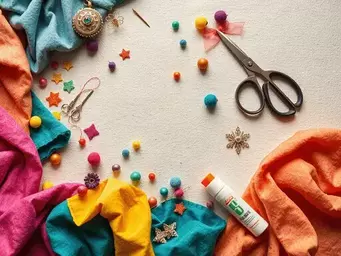
To bring your salt dough fossils to life, you may want to include some art supplies. Here are a few ideas:
These supplies can elevate your crafting experience, allowing your toddlers to express themselves in unique ways. For another fun fall craft, check out our guide on pumpkin painting and sensory play!

Now that you have your materials ready, it’s time to make the salt dough! Start by mixing the flour, salt, and water in a bowl until you get a smooth consistency. If you'd like to add color, mix in a few drops of food coloring at this stage. Then, knead the dough for a few minutes to ensure it's well blended.
This easy-to-follow recipe is a great starting point, and once you master it, you can experiment with different textures and colors. It’s all about having fun while learning!
Creating fossils is all about imprinting designs into the salt dough. You can use natural objects like leaves, shells, or even toy dinosaurs to create unique fossil impressions. Simply press the object into the dough, and you’ll have a beautiful fossil pattern!
Encouraging toddlers to explore different textures and shapes helps them learn about nature while developing their sensory skills. This method adds an exciting twist to the crafting process!
Dinosaur fossils are a fantastic theme that kids love! You can use toy dinosaur figures to create footprints or even create molds from the toys themselves. This sparks their imagination and brings a fun story element into the crafting process.
With simple shapes and designs, every child can feel like a real paleontologist! Just remember to celebrate their creations and encourage their storytelling about each fossil they make!
Handprint fossils are a great way for toddlers to leave their mark in a fun and educational way. Have your child press their hand into the salt dough to create a handprint fossil. Once it dries, you can decorate it with paints to make it even more special.
This type of activity not only fosters creativity but also helps children understand concepts like growth and development over time. It’s a meaningful way to capture a moment in their early years! For more fun and educational activities, check out our post on Would You Rather Questions for Kids.
Here's a brief recap of the key points discussed so far:
Creating salt dough fossils is not just about making crafts; it's about bringing science and creativity together! This engaging activity helps little learners explore various concepts, from paleontology to hands-on crafting. At Tots Tutor, we believe in the power of these experiences to make learning both enjoyable and meaningful.
As we wrap up this adventure, let’s take a moment to reflect on the educational value of salt dough fossils. Kids not only develop fine motor skills while working with the dough, but they also learn about the fascinating world of fossils and dinosaurs. This blend of fun and education makes salt dough projects a perfect fit for parents and educators alike!
Throughout this journey, children have created something special while learning important science lessons. The hands-on aspect of making fossils allows them to see the connection between art and science firsthand. Plus, working on these projects together can strengthen bonds between parents and children, as they share laughter and creativity.
At Tots Tutor, we encourage you to keep the excitement alive. Continual exploration of scientific concepts through creative activities can spark a lifelong interest in learning! Beyond just fossils, there is a whole world of science topics that can be explored through crafts. For more ideas on extending the learning fun, check out our article on easy toddler activities for busy parents.
Now that you’ve had the chance to dive into this fun adventure, we invite you to share your salt dough projects with us! What creative ideas did you come up with? At Tots Tutor, we love seeing how families and educators incorporate these activities into their learning experiences.
If you’re looking for more information or inspiration, there are plenty of resources available. Check out websites, books, and videos that focus on salt dough crafts and paleontology. Your learning doesn’t have to end here!
Let’s continue this journey of learning and creativity together! By fostering a love for science and crafting, we can inspire the next generation to explore and discover the world around them.
Here is a quick recap of the important points discussed in the article: