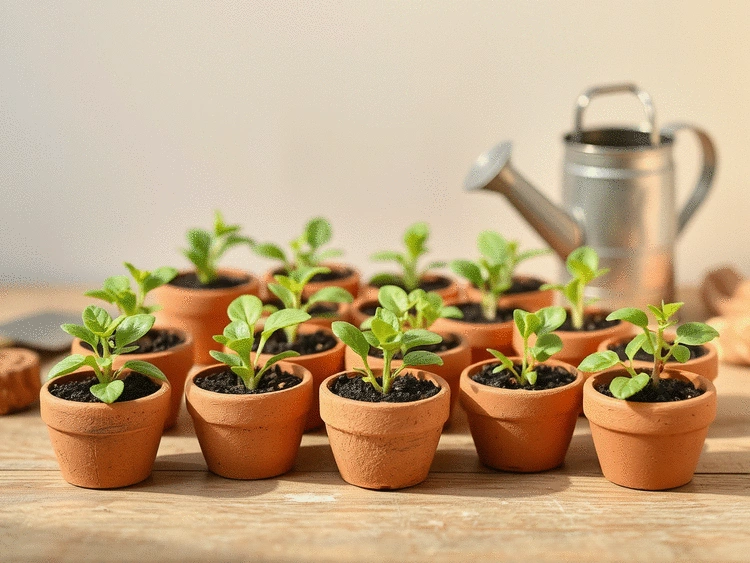

Mini Clay Pots
Pros:
Great drainage, aesthetic appeal, reusable
Cons:
Can dry out quickly, heavier than plastic
2025-07-18
Are you ready to transform your gardening experience with a simple, creative project? Crafting mini DIY clay pots not only enhances your outdoor space but also provides a fantastic way to nurture seedlings while embracing organic gardening practices.
Explore the advantages and disadvantages of different seed-starting containers to make an informed choice.
TIP: Set up a dedicated craft space to keep supplies organized and accessible.
Pros:
Great drainage, aesthetic appeal, reusable
Cons:
Can dry out quickly, heavier than plastic
Pros:
Easy to use, biodegradable, retains moisture
Cons:
Limited support for taller plants
Pros:
Lightweight, usually come with a lid
Cons:
Poor drainage, can crack in sunlight
Pros:
Recycled material, good for small seeds
Cons:
Weak structure, may rot when wet
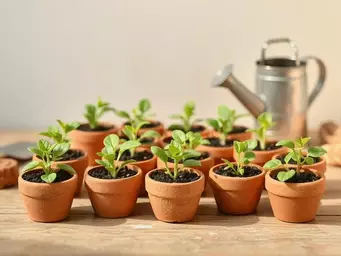
Creating mini DIY clay pots is not only a fun craft project but also an excellent way to start your own garden! These tiny pots provide a charming touch to your gardening space while being practical for nurturing seeds. In this section, I’ll share the amazing benefits of using mini clay pots, the materials you’ll need, and how they fit perfectly into organic gardening practices.
Mini clay pots come with a handful of benefits that make them perfect for starting seeds. First, they are incredibly portable, allowing you to move your plants around easily to catch the best sunlight. Second, their natural clay material offers a lovely charm that adds aesthetic appeal to any space, making your gardening journey more enjoyable!
These benefits truly enhance your seed starting experience. It’s wonderful to see how something as simple as clay pots can contribute positively to your gardening success. At Tots Tutor, we believe that creating fun and engaging activities around gardening can spark a love for nature in little learners! For more engaging ways to explore the outdoors, check out our guide to outdoor learning adventures for kids.
Before you dive into crafting your mini clay pots, let’s gather the essential materials and tools. Here’s a quick list to help you get started:
These materials will help you create beautiful and functional pots for your seedlings. I love how simple supplies can transform into something special! Plus, involving little ones in this process can make them more interested in gardening and learning about nature.
Using mini clay pots is a fantastic way to embrace organic gardening! They allow you to grow plants without harmful chemicals, ensuring a safe environment for your family. When you choose to make your own pots, you also reduce waste, which is a win for the planet! Many parents are also looking for crafting ideas for kids to keep them engaged in creative activities, and this project fits perfectly!
Here are some benefits of using mini clay pots in organic gardening:
At Tots Tutor, we’re all about fostering a love for the environment in little learners. By using mini clay pots, you’re not just planting seeds; you’re also planting the seeds of sustainability and responsibility in young minds!
I couldn't find a specific YouTube video titled "Mini DIY Clay Pots for Growing Seeds" that matches your criteria. However, I can suggest using a video that is similar, such as "Air Dry Clay Planters for beginners" by IET, which shows how to make clay planters that could be used for growing seeds. Here is the embed code for that video:
To enhance the growth of your seedlings in mini clay pots, consider adding a layer of small stones at the bottom of each pot before filling it with soil. This will improve drainage even further and help prevent waterlogging, ensuring your plants stay healthy and thrive!
When your seedlings have outgrown their cozy mini clay pots, it’s time for a change! Transplanting them into larger containers is essential for their continued growth and development. You’ll want to look for signs that your seedlings are ready, such as roots growing out of the drainage holes or stunted growth. These indicators mean it’s time to upgrade their living situation!
To successfully transplant your seedlings, follow these steps:
When it comes to choosing the right container for seed starting, you might wonder how mini clay pots stack up against other options. Below is a table that outlines the pros and cons of various seed-starting containers, helping you to make an informed decision. Considering the fun you're having, you may want to explore other crafts and DIY activities to further inspire creativity.
| Container Type | Pros | Cons |
|---|---|---|
| Mini Clay Pots | Great drainage, aesthetic appeal, reusable | Can dry out quickly, heavier than plastic |
| Peat Pellets | Easy to use, biodegradable, retains moisture | Limited support for taller plants |
| Plastic Seed Trays | Lightweight, usually come with a lid | Poor drainage, can crack in sunlight |
| Egg Cartons | Recycled material, good for small seeds | Weak structure, may rot when wet |
Indoor gardening can be incredibly rewarding, especially when working with mini clay pots! Lighting is crucial for the success of your indoor plants, so make sure they're getting enough natural sunlight. If your space lacks light, consider using grow lights to support their growth.
Here are some tips to care for your indoor seedlings:
At Tots Tutor, we believe that nurturing plants can be a fun project for both kids and adults alike. This hands-on experience not only teaches valuable skills but also allows for creativity in your gardening journey! If you want to start simpler, consider our spring flower coloring pages for a bright and easy activity.
Here is a quick recap of the important points discussed in the article: