
Fine Motor Skills
Stamping enhances hand-eye coordination.
2025-07-26
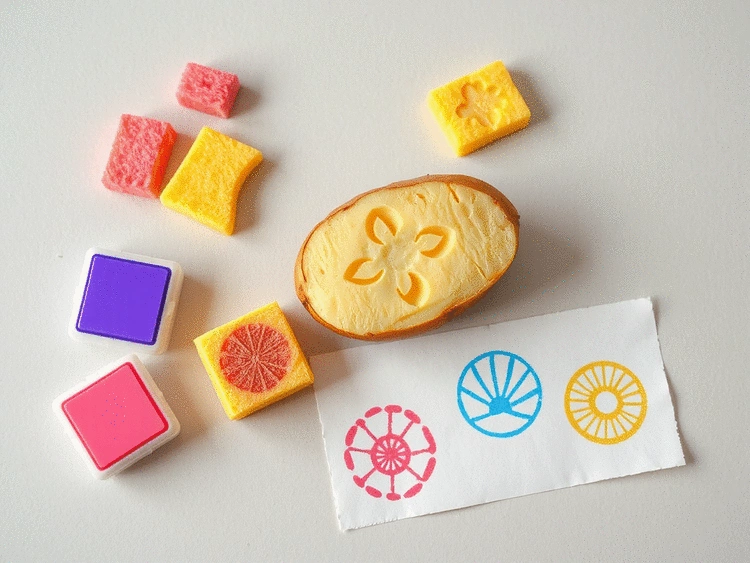
Art is a journey of discovery, especially when it involves hands-on activities like DIY stamping! Imagine the excitement of transforming simple potatoes and sponges into unique stamps that spark joy and creativity in your child's heart. This article will unveil the delightful process of crafting homemade stamps that not only entertain but also educate. Let’s dive in!
Homemade stamps not only promote creativity but also enhance various developmental skills in toddlers. Below are the key benefits represented in a visual format.
TIP: Always supervise children during activities to ensure their safety.
Stamping enhances hand-eye coordination.
Children can freely experiment with colors and patterns.
Textures from materials provide rich sensory experiences.
Creating homemade stamps can be an incredibly rewarding experience, especially when using natural materials like potatoes and sponges. At Tots Tutor, we're all about harnessing creativity through fun, hands-on activities. Not only is DIY stamping a fantastic way to engage toddlers, but it also encourages imaginative play and artistic expression!
In this article, I’ll guide you through the art of DIY stamping and share why homemade stamps can be a delightful addition to your learning activities. With these simple materials, you can create beautiful patterns and designs that spark joy and creativity in young minds.
The appeal of making homemade stamps lies in their simplicity and accessibility. Potatoes and sponges are not only easy to find, but they also allow children to explore texture and form in their art projects. By using these natural materials, we give toddlers an opportunity to learn about shapes and colors while having a blast!
Moreover, DIY stamping can be a great way for families to bond over a project. Just imagine the fun you’ll have experimenting with different designs and colors together! It's an engaging way to foster creativity and learning in a relaxed environment.
Homemade stamps provide numerous benefits for toddlers' development. Here are a few reasons why you'll love incorporating them into your crafts:
Using potatoes and sponges in your stamping projects has several advantages. Potatoes are particularly great because they can be cut into various shapes, while sponges offer unique textures that can change the look of your stamps. Here are some key benefits:
Before we dive into the fun part of making our stamps, let’s gather everything we need! Having the right materials on hand will make the process smoother and more enjoyable. Here’s a list of essential supplies you’ll want to collect:
When choosing your potatoes, look for ones that are firm and free of blemishes. For sponges, a variety of shapes—like kitchen sponges or craft sponges—will add texture to your stamps. Make sure to have a safe craft knife or cookie cutter for carving your designs!
These tools are the foundation of your stamping adventure, so make sure they’re ready to go. Kids can help gather the materials, making it a fun lead-up to the activity!
If you want to take your stamping to the next level, consider adding some optional materials to your toolkit: Consider exploring crafts and activities that inspire creativity to further enhance your artistic endeavors.
To ensure a successful stamping project, here’s a quick list of recommended art supplies:
Having these supplies ready will make your DIY stamping sessions smooth and enjoyable. Remember, creativity thrives in a well-prepared space!
Here's a brief recap of the key points discussed so far:
Homemade stamps promote fine motor skills, enhance creativity, and encourage sensory exploration.
Essential materials include potatoes, sponges, a craft knife or cookie cutter, paint or ink pads, and paper or fabric.
Consider adding glitter, different shades of paint or ink, stencils, and fabric for enhanced designs.
Yes, using natural materials like potatoes and sponges is a sustainable and eco-friendly choice for creative activities.
Sharing experiences and techniques inspires others and builds a supportive space for creativity and learning.
Creating homemade stamps is not just a fun activity for toddlers; it’s a fantastic way to ignite their creativity and imagination. At Tots Tutor, I’ve seen how engaging in these artistic projects can truly make a difference in a child's development. By the end of this journey, you will have a collection of unique stamps that serve as a testament to your creativity!
As we wrap up our adventure in DIY stamping, let’s highlight the key takeaways for successful stamp-making. Remember, the goal is to enjoy the process, embrace experimentation, and watch as your little ones flourish through hands-on learning!
First and foremost, creativity is at the heart of successful stamp-making. Allowing your child to explore different designs and materials encourages them to think outside the box. Here’s a quick recap of what we covered: If you're looking for more creative activities, check out these easy toddler activities for learning.
Lastly, it's essential to emphasize that every project is an opportunity for artistic expression! Homemade stamps not only provide a fun craft but also develop fine motor skills and boost confidence in young learners.
Encouraging children to experiment with different techniques fosters a love for creativity. As they carve patterns or select colors, they learn that mistakes can lead to beautiful surprises. This not only enhances their artistic skills but also promotes problem-solving capabilities in a playful manner!
At Tots Tutor, I believe that the process of creating is just as important as the final product. Remember, the more they create, the more they learn to express themselves through art!
One of the best parts of DIY stamping projects is the joy it brings! Whether your child is making cards for family or colorful prints for home décor, watching them share their creations is simply heartwarming. It’s a great way to celebrate their efforts and showcase their creativity!
Let’s keep the excitement alive by reflecting on how these activities can bring families together. Homemade stamps are not just about art; they’re about collaboration, communication, and connection. So, grab those potatoes and sponges, and let the fun begin!
Now that you've embarked on this creative journey, I’d love to hear about your experiences! Sharing your stamp-making projects adds a personal touch to our Tots Tutor community. Comments and interactions help inspire others and build a supportive space for creativity!
Feel free to share your photos, techniques, and stories in the comments below. Seeing each other's projects can spark new ideas and encourage more families to try their hand at DIY stamping!
At Tots Tutor, building a community around creative learning is key. Your input matters! Let's create a dialogue where we can exchange tips, ideas, and inspiration. Have you discovered a unique stamping technique? Maybe you found a new use for those leftover potatoes? Share away!
Encouraging fun and interaction not only makes our blog lively but also helps parents connect with each other. Together, we can create a vibrant community focused on playful learning!
If you’re excited about expanding your crafting skills, there are plenty of resources available for you! Here are some ideas to explore: For additional activities that promote development, explore these fine motor skills activities.
At Tots Tutor, I’m here to provide you with the guidance and ideas you need. Let’s make crafting a joyous part of your family’s routine!
Crafting together is not just a fun way to spend time; it also strengthens the parent-child bond. As you explore new projects, consider setting aside special crafting days to dive deeper into artistic adventures. Each project can lead to conversations about creativity, art, and expression, enriching your time together!
So, let’s get crafting! I can’t wait to see the wonderful creations you and your little ones will make! Remember, every stamp tells a story, and I’m excited for you to share yours!
Here is a quick recap of the important points discussed in the article: