
Creative Expression
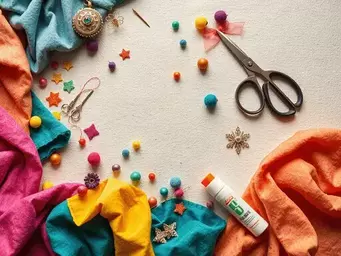
Children can choose colors, shapes, and textures, fostering artistic flair.
2025-07-02
What if you could turn a simple, everyday activity into a powerful lesson about sustainability and creativity? By making recycled paper with your children, you can do just that. This engaging hands-on project not only fosters imagination but also instills a sense of environmental stewardship in young minds.
Recycled paper making is a multifaceted activity that offers numerous advantages for children's learning and development.
TIP: Always supervise children during activities to ensure their safety.
Children can choose colors, shapes, and textures, fostering artistic flair.
Kids learn about recycling, reducing waste, and the importance of trees.
Activities like tearing, mixing, and molding improve fine motor skills.
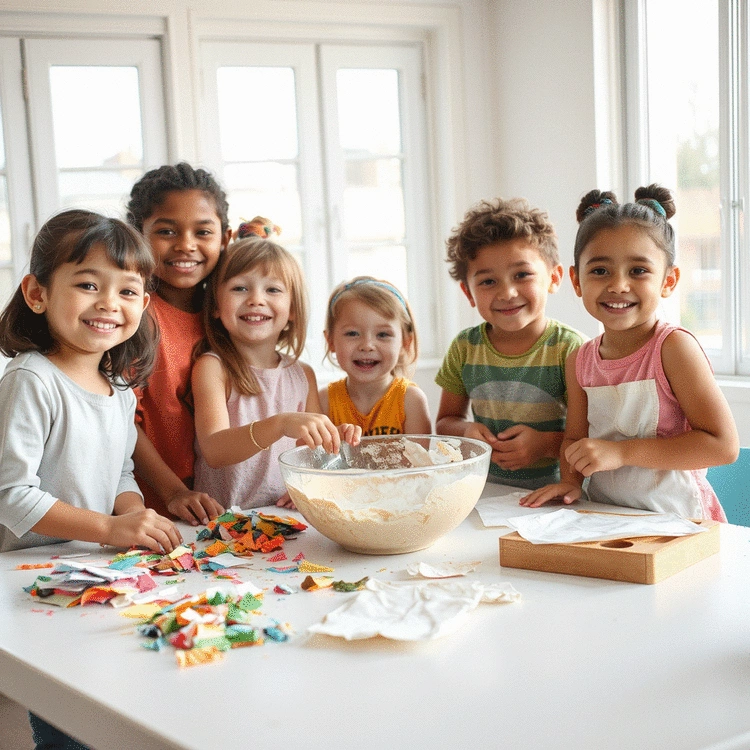
Encourages collaboration and communication when done in groups.
Planning projects enhances problem-solving abilities.
Learn about fibers, colors, and measurement during the process.
Recycled paper making is not just a fun craft; it's an incredible way to bond with your little ones! This hands-on activity taps into a child's inherent curiosity and creativity while teaching them valuable lessons about sustainability. At Tots Tutor, we believe that learning through play is essential, and crafting with recycled paper can spark joy and ignite a passion for the environment.
When kids get involved in making recycled paper, they can experience the sheer delight of transforming something old into something new. It's like magic! They’ll not only be engaged but also gain a sense of achievement and pride in their creations, making this project a win-win for both fun and learning.
Making recycled paper can easily capture a child’s imagination. The process involves various fun steps, from tearing paper to blending it into a pulp. Children love the tactile experience of manipulating materials, which helps keep their attention focused on the task at hand. Speaking of keeping little ones engaged, have you explored fine motor skills activities to further enhance their development?
Additionally, this activity invites children to think creatively. They can choose colors, shapes, and textures, allowing them to express their individuality. Here are a few reasons why recycled paper making is so engaging:
DIY recycling projects, like making paper, provide a unique opportunity for educational growth. They teach kids important concepts such as resourcefulness and creativity. By using materials that would otherwise be discarded, children learn how to appreciate resources and understand their value.
Moreover, these projects can be tied to lessons in science, art, and even math! For example, kids can explore the scientific process of breaking down paper fibers or learn about color mixing when adding dyes. Here are several educational benefits:
At Tots Tutor, we believe that teaching kids about sustainability is crucial for their future. Making recycled paper is a fun introduction to the broader concept of environmental stewardship. Through this activity, children learn how they can make a positive impact on the planet, fostering eco-conscious habits early on. Thinking about other ways to get kids involved in nature? Check out our guide to Earth Day crafts for more inspiration.
By exploring the life cycle of paper and its environmental impact, kids can develop a deeper understanding of sustainability. This knowledge empowers them to make more informed choices in their daily lives. Here are some key points to discuss during the activity:
Hands-on learning activities, like recycled paper making, are perfect for encouraging eco-conscious behavior in children. They not only learn about recycling but also develop a sense of responsibility towards the environment. By actively participating, they understand that their actions can lead to positive changes.
As they experiment with different types of recycled paper, kids can also gain insights into the importance of creativity in sustainability. This project nurtures a love for nature and an appreciation for the materials around them. Here are ways you can enhance their eco-conscious journey:
Did you know? Incorporating storytelling into your recycled paper-making sessions can significantly enhance creativity and engagement! Encourage your children to create a narrative around their paper designs, which not only makes the activity more enjoyable but also helps them connect art with imagination.
When it comes to recycled paper making, there’s no limit to the fun you can have! At Tots Tutor, we believe that creativity should flow freely, especially when crafting with kids. By exploring different techniques and incorporating unique ideas, you can transform a simple paper-making activity into a delightful experience that sparks imagination.
Here are some creative ideas to make your recycled paper truly one-of-a-kind:
To make the paper-making process even more engaging, you can explore variations that keep little hands busy and excited. One idea is to create themed paper based on seasons or special occasions. For example, you can use flower petals in spring or leaves in autumn to celebrate nature’s beauty. This connection to the world around them not only enhances creativity but also deepens their appreciation for the environment. Looking for inspiration for spring? Check out our guide to spring crafts for creative kids!
Additionally, you can turn the paper-making into a storytelling activity. Encourage your kids to create a story based on the designs they make. As they craft, they can think about the characters and adventures that will take place on their unique sheets of paper!
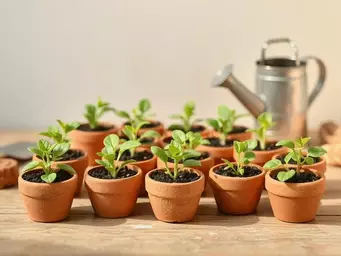
Once you’ve mastered the basics, why not take your recycled paper-making to the next level with plantable seed paper? This brilliant idea allows kids to create paper that can grow into beautiful flowers or herbs after being planted. To make this, simply add seeds into the pulp mixture before molding. Your children will love the thought of their creations turning into something that contributes to the planet! Check out these crafts activities that are inspiring creativity.
Encouraging artistic expression doesn’t stop with paper making; it can lead to a whole world of creativity! Once you’ve created your unique paper, consider using it for art projects or creative writing. Kids can draw on their homemade sheets, create cards, or even write poems that reflect what they learned during the paper-making process.
This integration not only reinforces their learning but also makes the experience more meaningful, as they see their efforts come to life in various forms of expression. If you are looking for more creative ideas, see our guide on creative learning adventures for kids.
At Tots Tutor, we are passionate about sharing the joy of homemade paper making with others! Organizing community workshops can be a wonderful way to engage with neighbors and friends. It’s a fantastic opportunity for families to bond over creativity and sustainability while learning together.
Consider these tips for a successful workshop:
By making paper together, you’re not just crafting; you’re building a community of eco-conscious families committed to fostering creativity and sustainability.
Here is a quick recap of the important points discussed in the article: