



- Educational Activities
- Jul 25
2024-06-06
Introduction to Pool Noodle Marble Run
When it comes to keeping toddlers and preschoolers entertained during the summer, finding activities that are both engaging and educational can be a challenge. However, one activity that ticks all the boxes is building a pool noodle marble run. Not only is it a fun way to beat the heat, but it also offers valuable learning opportunities in science, technology, engineering, art, and math (STEAM).
Benefits of Pool Noodle Marble Run
TIP: Recycle household items like paper rolls and jars for craft projects.
Pool noodle marble runs offer a myriad of benefits for young children. Firstly, they provide an excellent introduction to STEAM concepts, allowing kids to explore principles of physics and engineering in a hands-on way. As children design and build their marble runs, they engage in problem-solving and critical thinking, fostering creativity and innovation.
Furthermore, manipulating the pool noodles and marbles helps develop gross motor skills, as children reach, stretch, and maneuver the components of their marble run. This activity also encourages collaboration and social interaction, as children work together to design and test their creations.
Overall, building a pool noodle marble run is a fantastic way to keep young children entertained while promoting learning and development in various areas.
Now that youre ready to dive into the world of pool noodle marble runs, lets explore how to set up this exciting activity.
The first step in creating your pool noodle marble run is to prepare the pool noodles. Grab your pool noodles and your cutting tool of choice, whether its scissors or a box cutter. Carefully slice the pool noodles lengthwise on one side and then again along the opposite side, ensuring you have two equal halves. This will create the base for your marble run sections.
Once you have your pool noodle halves, you can further customize your marble run by cutting the sections into varying lengths. This variation will add complexity and excitement to your marble run, allowing marbles to travel through different slopes and obstacles. Get creative with your cutting and experiment with different lengths to see what works best for your setup.
If youre planning to set up your pool noodle marble run outdoors, duct tape is your best friend. Find a suitable location, such as a fence or a wall, where you can attach the pool noodle sections securely. Use duct tape to adhere the sections in place, ensuring they form a continuous path for the marbles to travel down. Test the run to make any necessary adjustments before letting the marbles fly.
For indoor setups or if you prefer not to use duct tape, painters tape is a great alternative. Similar to outdoor setups, choose a smooth surface where you can tape the pool noodle sections securely. Painters tape offers strong adhesion without leaving residue, making it ideal for temporary setups. Once again, test the run to ensure everything is in place before unleashing the marbles.
Regardless of whether youre setting up your marble run indoors or outdoors, testing is key to ensuring optimal functionality. Run a few marbles through the track to identify any areas that may need adjustment. You may need to reposition or secure certain sections to create a smooth and continuous flow for the marbles. Once youre satisfied with the setup, its time to let the marbles fly and watch the magic unfold!

Delving into the science behind the pool noodle marble run reveals fascinating concepts that make this activity both fun and educational.
One of the fundamental principles at play in a pool noodle marble run is gravity. As marbles are released at the top of the run, gravity pulls them downward, causing them to roll along the track. The slope and angle of the track influence the speed at which the marbles descend, with steeper inclines leading to faster movement. This hands-on exploration of gravity allows children to observe its effects firsthand and gain a deeper understanding of this fundamental force.
Friction plays a crucial role in determining the speed of marbles as they navigate the track. The surface of the pool noodles, along with any obstacles or curves in the track, creates resistance that slows down the marbles. By adjusting the angle of the track or introducing different materials with varying levels of friction, children can observe how friction impacts the speed and movement of the marbles. This experiential learning opportunity helps children grasp the concept of friction in a tangible way.
As marbles descend down the track, they convert potential energy from their elevated position into kinetic energy, the energy of motion. The higher the starting point of the marble, the more potential energy it possesses, which is gradually converted into kinetic energy as it rolls downhill. Observing this conversion process allows children to see how energy is transferred and transformeda fundamental concept in physics and engineering.
The pool noodle marble run is suitable for children as young as three years old, making it an accessible activity for toddlers and preschoolers. Its simple design and intuitive mechanics allow young children to engage with the activity independently or with minimal supervision, fostering a sense of autonomy and confidence.
Engaging with a pool noodle marble run offers numerous developmental benefits for children. As they manipulate the track pieces and release the marbles, children develop their gross motor skills and hand-eye coordination. Furthermore, the collaborative nature of building and experimenting with the marble run encourages language development as children communicate their ideas, observations, and discoveries with others.
fun math games rubber duck math race
As children engage with the pool noodle marble run, they not only have fun but also have the opportunity to enhance their learning in various ways.
One of the key advantages of the pool noodle marble run is its affordability and accessibility. Pool noodles are inexpensive and readily available at most department stores, making them accessible to families of all budgets. This accessibility ensures that children from diverse socioeconomic backgrounds can participate in this enriching activity without financial barriers.
Additionally, the simple nature of the pool noodle marble run means that minimal additional supplies are required. Aside from the pool noodles themselves, children may need marbles or other small objects to roll down the track. These basic materials can typically be found around the house or easily obtained from local stores, further reducing the cost and logistical challenges associated with the activity.
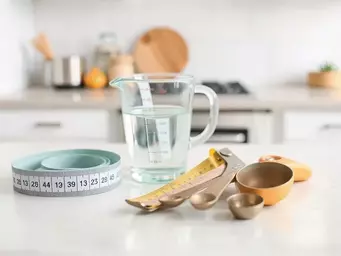
While the pool noodle marble run provides ample learning opportunities on its own, caregivers and educators can enhance the experience by incorporating additional learning materials and resources. For example, children can use measuring tapes or rulers to quantify the distance traveled by the marbles or experiment with different track configurations to observe their effects on marble movement.
Furthermore, caregivers can introduce thematic elements or educational prompts to inspire further exploration and critical thinking. For instance, children can be encouraged to design their own marble runs based on specific themes such as gravity, momentum, or inclined planes. This hands-on approach to learning fosters creativity, problem-solving skills, and scientific inquiry in a fun and engaging manner.
Beyond the basic construction and operation of the pool noodle marble run, there are numerous ways to extend and enrich the learning experience. Caregivers and educators can provide children with suggested activities and extensions to deepen their understanding of the concepts introduced during the marble run activity.
For example, children can explore the concept of cause and effect by experimenting with different track configurations and observing how they affect marble movement. They can also conduct simple investigations to test hypotheses and make predictions about marble behavior based on changes to the track design or materials used.
In addition to its cognitive benefits, the pool noodle marble run also offers valuable opportunities for sensory play. As children manipulate the pool noodles and marbles, they engage their senses of touch, sight, and proprioceptionthe sense of body awareness and movement. This multisensory experience not only enhances the enjoyment of the activity but also supports overall sensory development and integration in young children.
By incorporating sensory elements into the marble run experience, caregivers and educators can create a holistic learning environment that addresses the diverse needs and preferences of children. This inclusive approach ensures that all children can participate fully in the learning process and derive maximum benefit from the activity.
would you rather questions kids