
Kitchen Science: Making a Volcano Eruption

DIY Kitchen Volcano Eruption

Abbs

2025-06-26

Tots Tutor

Have you ever wondered how a simple kitchen ingredient can create a spectacular eruption? Dive into a world of discovery and fun as you learn how to turn your kitchen into a science lab with a DIY volcano project that sparks curiosity and creativity in young minds.

What You Will Learn

  • Hands-on Science: Engage children in active learning through interactive experiments that make science enjoyable.
  • Essential Ingredients: Learn about simple household items like baking soda and vinegar that can create exciting reactions.
  • Step-by-Step Guidance: Follow clear instructions to safely conduct the volcano experiment, ensuring a fun and educational experience.
  • Encouraging Exploration: Discover ways to inspire further scientific inquiry and experiments beyond the volcano project, expanding children's curiosity.
  • Visual Learning: Understand the benefits of documenting experiments through photos or videos to enhance learning and sharing experiences.

Key Takeaways from the Volcano Experiment

Hands-on learning through kitchen science promotes curiosity and enhances essential skills in toddlers.

Benefits of the Volcano Experiment

  • Hands-On Learning: Kids actively participate.
  • Visual Appeal: Captivates young minds.
  • Simple Materials: Most ingredients are kitchen staples.

Key Steps in the Eruption Process

  1. Place container on a tray.
  2. Add baking soda to the container.
  3. Mix vinegar with food coloring.
  4. Pour the vinegar mixture into the container.
  5. Stand back and watch the eruption!

Exploration and Future Projects

Encourage further exploration with ideas such as:

  • Create fizzy drinks with baking soda and vinegar.
  • Make homemade slime to explore states of matter.
  • Experiment with plant growth conditions.

Engaging Kitchen Science: Making a Volcano Eruption

Welcome to the exciting world of kitchen science! At Tots Tutor, we believe that learning should be both fun and meaningful, especially for our little learners. One of the most engaging activities you can do with your kids is creating a DIY volcano. This experiment not only brings a sense of wonder but also teaches essential scientific concepts in a hands-on way!

Making a volcano eruption is a fantastic way to spark curiosity and creativity in toddlers. As they mix ingredients and watch their volcano erupt, they will be learning about chemical reactions without even realizing it! This experiment is perfect for parents, caregivers, and educators looking to make learning enjoyable and interactive in the kitchen.

Unleashing Fun and Learning in Your Kitchen

Kitchen science experiments, like the volcano eruption, are a great way to engage your children in learning while having a blast! Here are some reasons why this activity is a hit:

  • Hands-On Learning: Kids get to actively participate in the experiment.
  • Visual Appeal: The eruption is exciting and colorful, captivating young minds.
  • Simple Materials: Most ingredients can be found in your kitchen, making it easy and accessible!

As a dedicated educator, I've seen how toddlers respond positively to these kinds of activities. They not only get to discover scientific principles but also enhance their fine motor skills while pouring, mixing, and creating. So, are you ready to dive into this fun-filled learning adventure?

Before starting, it's important to ensure your child has developed sufficient fine motor skills. This ensures they can safely and effectively participate in the experiment.

Essential Materials for Your Volcano Experiment

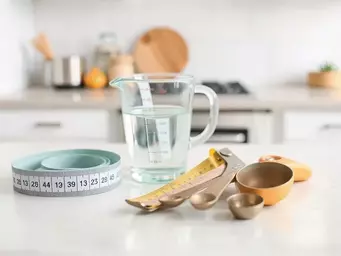
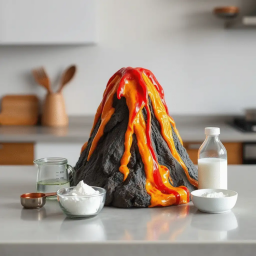
Before we start our volcanic adventure, let’s gather the right ingredients and tools! Here’s what you’ll need for the volcano experiment:

  • Baking Soda: This will create the fizzing reaction when combined with vinegar.
  • Vinegar: The star ingredient that causes the eruption!
  • Optional Colorants: Food coloring or natural dyes can be added for a vibrant eruption.
  • Container: A small cup or bottle to hold the mixture—this will be your volcano!
  • Tray or Baking Sheet: To catch any overflow during the eruption.

At Tots Tutor, we want to make sure that every activity is not only educational but also easy for families to execute. Most of these items can be found right in your kitchen or pantry! So, gather your materials and get ready for some explosive fun!

Here are some frequently asked questions about the volcano experiment to clarify any doubts before you begin:

FAQs About the Volcano Experiment

What is the basic science behind the volcano experiment?
The experiment demonstrates a chemical reaction between baking soda (a base) and vinegar (an acid). When mixed, they produce carbon dioxide gas, which causes the eruption.
What safety precautions should I take during the experiment?
Always supervise children closely. Ensure they don't ingest the ingredients. Conduct the experiment in a clear, open area to avoid spills on sensitive surfaces.
Can I use other liquids instead of vinegar?
Vinegar works best due to its acidity. Other liquids may not produce the same effect, but you can experiment with lemon juice for a similar reaction.
What can I do with the volcano model after the experiment?
You can reuse the model for multiple eruptions. Just clean it thoroughly and replenish the baking soda and vinegar as needed. Consider decorating the model to resemble a real volcano for added educational fun.

Step-by-Step Instructions to Create an Erupting Volcano

Now that you have all your materials, let's jump into the step-by-step instructions for creating your very own volcano. Follow these simple steps for a successful eruption:

  1. Start by placing your container on the tray or baking sheet to catch any mess.
  2. Fill the container about halfway with baking soda.
  3. In a separate cup, mix vinegar with a few drops of food coloring if using.
  4. Pour the vinegar mixture into the container with baking soda.
  5. Stand back and watch as your volcano erupts!

Safety is essential while conducting this experiment. Make sure to supervise your little ones closely, ensuring they do not taste or touch the substances involved. At Tots Tutor, we aim to create a safe learning environment where kids can explore without worry! You might also enjoy our guide on mess-free snowman painting for more safe and fun activities.

DIY Kitchen Volcano Eruption

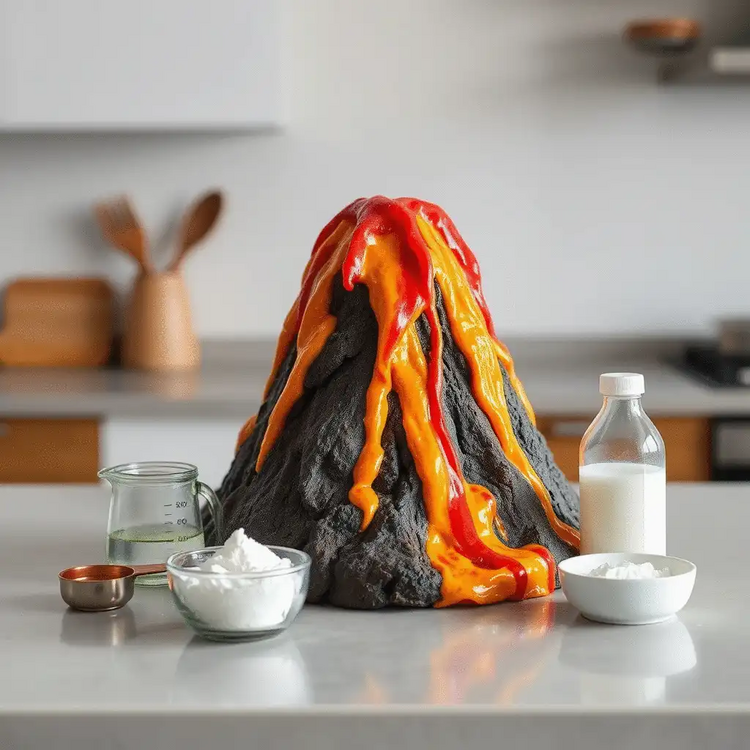
Visual Demonstration of the Volcano Eruption

To enhance understanding and engagement, consider capturing the eruption on video or taking photos during the experiment! Visual demonstrations not only help kids remember the process but also allow them to share their exciting discoveries with family and friends. Additionally, you can create a mini scrapbook or digital gallery of the volcano experiment, showcasing both the fun and educational aspects of kitchen science!

As a passionate advocate for creative early learning, I truly believe that experiences like these will spark a love for science in your little ones. Let's make learning a colorful and exciting journey!

Pro Tip

To enhance the learning experience, encourage your kids to predict what will happen before the eruption occurs. This not only builds anticipation but also fosters critical thinking as they hypothesize about the chemical reaction taking place!

Summarizing Your Kitchen Science Project

When we dive into the world of kitchen science, particularly with our fun volcano experiment, there's so much to learn! Not only do kids get to see a spectacular eruption, but they also engage in hands-on learning that promotes curiosity. It's about creating a memorable experience that mixes play with education—something I truly believe in at Tots Tutor!

Teach kids to read at home by reading aloud to them regularly, using phonics programs, playing word games, and providing access to a variety of books. Encourage daily reading habits and make it a fun and engaging activity.

Interactive learning activities for preschoolers include interactive storytime, educational apps, hands-on science experiments, arts and crafts, and sensory bins. These activities promote learning through play and exploration.

Make learning history fun by using interactive timelines, visiting historical sites, reading historical fiction, watching documentaries, and engaging in reenactments. Incorporate hands-on activities like crafting historical artifacts and role-playing to make history come alive.

Reflecting on the volcano experiment, here are some key takeaways:

  • Science is fun and can be done at home!
  • Learning through play nurtures essential skills for toddlers.
  • Simple household items can create amazing educational experiences.

For more creative ideas, check out our guide on craft activities that inspire creativity.

Encouraging Further Exploration and Learning

After our volcano experiment, I encourage everyone to ask questions and explore more about kitchen science! Common inquiries often revolve around how the eruption works and what other fun experiments can be done. Here are some FAQs to keep the curiosity flowing:

  • What other ingredients can create eruptions?
  • How do different amounts of vinegar change the eruption?
  • Can I make a volcano with different materials?

Answers to these questions can open doors to further exploration, allowing kids to dive deeper into the fascinating world of science right from the kitchen!

Inspiring Future Science Projects in the Kitchen

The excitement doesn’t have to stop with just one experiment! I encourage you to continue exploring science projects at home. There’s a whole world of kitchen science waiting! Here are some ideas to keep the momentum going:

  • Create your own fizzy drinks using baking soda and vinegar.
  • Make homemade slime to explore states of matter.
  • Experiment with plant growth and observe how different conditions affect it.

At Tots Tutor, I’m dedicated to providing resources that spark creativity and joy. Remember, every experiment is a chance to learn and have fun together with your little ones! Let's keep exploring science in exciting ways. Also, don't forget to browse our easy toddler learning activities for more engaging ideas.

Recap of Key Points

Here is a quick recap of the important points discussed in the article:

  • Engaging Learning: Kitchen science experiments, like the volcano eruption, provide hands-on learning opportunities for children.
  • Essential Materials: Basic ingredients like baking soda and vinegar can create exciting eruptions and are typically found in most kitchens.
  • Step-by-Step Instructions: Follow simple steps to ensure a successful and safe volcanic eruption experience.
  • Visual Documentation: Capturing the experiment on video or through photos enhances engagement and allows for sharing discoveries.
  • Encouragement of Curiosity: Ask questions and explore further science concepts to keep the excitement of learning alive.
  • Future Projects: Continue exploring kitchen science with additional experiments to foster a love for science in children.

Educational Resources for Children