Estimating Length
Using pencils and paperclips as non-standard units.
TIP: Always supervise children during activities to ensure their safety.
2025-07-19
Learning doesn't have to be a chore! By incorporating fun measurement activities into your child's routine with simple household objects, you can spark their curiosity and help them grasp essential concepts in an enjoyable way. Ready to turn your home into a mini classroom? Let's dive into the key takeaways!
Explore the fun measurement activities that utilize everyday household items to enhance learning for toddlers.
Using pencils and paperclips as non-standard units.
TIP: Always supervise children during activities to ensure their safety.
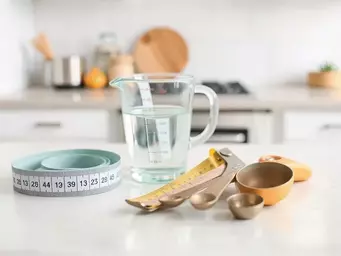
Exploring cups and bottles to understand different volumes.
Engaging in fun activities to determine which objects are taller.
Discovering which items are heavy or light through playful comparisons.
Welcome to the wonderful world of measurement! At Tots Tutor, I believe that learning should be both fun and engaging, especially for our little ones. By using everyday household objects, we can turn measurement into an exciting adventure, sparking curiosity and creativity in toddlers while helping them grasp important concepts.
Measurement skills are essential for children as they lay the foundation for future learning in math and science. Not only do these skills help kids understand size, weight, and volume, but they also boost problem-solving abilities and critical thinking. Using items from around the home makes it easier for parents and caregivers to introduce these concepts in a playful way.
As our toddlers grow, they encounter various situations where measurement skills come into play. Knowing how to measure helps them make sense of their surroundings and understand the world better. It encourages them to ask questions and explore the relationships between different objects. You can even explore easy toddler learning activities to complement these measurement exercises and further enhance their understanding of the world.
When measurement activities are interactive and enjoyable, kids are more likely to engage and retain the information. That's why at Tots Tutor, we design activities that integrate fun with fundamental learning. This approach ensures that kids not only learn but also enjoy the process!
Using household objects for measurement creates a relatable context for children. Items like toys, spoons, or even cereal can serve as perfect tools for teaching lengths, weights, and volumes. This method makes learning approachable and less intimidating, allowing kids to experiment freely.
Moreover, these activities promote sensory exploration, which is vital for toddler development. When they touch and manipulate objects, they deepen their understanding of how things work in the world around them. Incorporating everyday items makes measurement a natural part of playtime!
With some creativity, the possibilities for measurement activities are endless! Here are a few engaging ideas that you can easily implement at home:

These activities not only make learning enjoyable but also help children develop a strong sense of measurement. By connecting these concepts to their everyday experiences, we build a solid foundation for their future educational journeys.
Hands-on learning is a key aspect of early childhood education. By allowing kids to engage directly with objects, we enable them to better understand complex ideas. This approach makes measurement more tangible and relatable, as they can see and feel the differences in size, weight, and volume.
At Tots Tutor, I emphasize the importance of these practical experiences. Whether it's pouring water from one cup to another or lining up toys to measure their lengths, these fun activities create memorable learning moments. Each interaction helps toddlers develop essential skills while enjoying the learning process! And if you're looking for more ways to engage your little ones, consider exploring some fine motor skills activities for added fun and development.
To make measurement activities even more engaging, try incorporating a theme into your exercises! For instance, if you have a "kitchen day," use measuring cups and spoons to explore volume while baking a simple recipe together. This not only teaches measurement but also adds a delicious twist to learning!
As we wrap up our journey through fun and engaging measurement activities, it’s important to highlight the many ways we can use everyday household objects. By incorporating items like paperclips, cups, and even toys, we not only make learning enjoyable but also relatable for our little ones. These hands-on exercises, as showcased in Tots Tutor, help toddlers grasp essential measurement concepts while keeping them entertained!
Hands-on learning is essential for developing measurement skills in young children. When kids engage in practical activities, they can see the direct impact of their measurements. By using objects they interact with daily, such as pencils or small containers, kids can better understand length and volume. This type of learning aligns perfectly with Tots Tutor’s mission to inspire and empower parents with creative educational strategies!
Here’s a quick recap of the fun measurement exercises we’ve covered:
These activities are not just entertaining; they also support foundational skills that toddlers need as they grow. By connecting math concepts with items around the house, we make learning feel relevant and exciting! For more engaging activities to support your toddler's growth, check out these best toys for 2-year-old toddlers that encourage hands-on exploration and development.
Hands-on learning plays a crucial role in helping toddlers develop their measurement skills. When children can physically manipulate objects, they’re more likely to remember the concepts being taught. The tactile experience offers a unique opportunity to grasp abstract ideas, such as length and volume, in a tangible way!
At Tots Tutor, we've seen firsthand how engaging in these activities cultivates curiosity and sparks joy in learning. Whether it’s measuring ingredients for a fun recipe or creating crafts that involve size comparisons, every experience builds a strong foundation for future math skills!
As we move forward, it’s essential for parents and educators to continue fostering a love for measurement through fun, everyday activities. Remember, learning doesn’t stop here! There are many ways to keep children engaged and excited about measurement long after these initial exercises.
Here are some frequently asked questions to help guide you:
When it comes to making measurement accessible for all learners, consider these helpful tips:
These strategies will ensure that all kids feel included and can thrive in their learning environment, making measurement a fun adventure for everyone!
To further support your measurement journey, consider using printable worksheets and resources. These can be fantastic tools for reinforcing concepts at home or in the classroom!
Utilizing these materials can enhance learning and keep kids excited about measuring!
Games can be a powerful way to engage children in measurement concepts. Activities that require teamwork or friendly competition can make learning feel like play. At Tots Tutor, we believe that when kids are having fun, they’re learning without even realizing it!
Consider incorporating educational games that focus on measurement skills. For instance, activities that involve estimating lengths or comparing weights can be both engaging and educational. This kind of interplay between fun and learning is at the heart of what we do at Tots Tutor! If you are looking for more creative ideas, why not try our paper plate kids crafts to make learning even more fun?
Now it's your turn to spark curiosity and creativity in your little learners! Dive into these fun measurement activities and watch as your toddlers develop essential skills through play. Remember, learning can happen anywhere, and the possibilities are endless when you use everyday objects. Let's make measurement a delightful adventure together!
Join the Tots Tutor community today and discover more engaging activities that will inspire your toddlers and create meaningful learning experiences!
Here is a quick recap of the important points discussed in the article: