
Cognitive Skills
- Enhances creativity and innovation
- Strengthens problem-solving abilities
- Encourages focus and concentration
2025-06-09
Crafting can be a magical doorway to development for young children. Through simple activities like making DIY ribbon wands, kids not only express their creativity but also gain essential skills for life. By engaging in imaginative play, they expand their horizons in ways that traditional learning often overlooks.
Exploring the various skills enhanced through the creation and use of DIY ribbon wands.
TIP: Make outdoor activities part of your routine to enjoy nature and fresh air.
As a passionate advocate for creative early learning at Tots Tutor, I believe that *imaginative play* is crucial for toddlers’ development. One delightful way to engage children in pretend play is through DIY ribbon wands. These wands not only capture a child's imagination but also offer numerous cognitive and social benefits, helping little ones build essential skills while having fun!
Pretend play allows children to explore new scenarios, develop problem-solving skills, and even practice emotional regulation. When they use ribbon wands in their imaginative adventures, they’re not just waving around colorful ribbons; they’re also learning how to express themselves, collaborate with friends, and navigate social interactions. It's a beautiful thing to witness!
Pretend play is more than just fun; it’s a vital component of early childhood development. Through this form of play, children can enhance their cognitive skills by learning to think symbolically and engage in storytelling. They often take on various roles, which helps them understand different perspectives and fosters empathy. If you're looking for more ways to engage your child, consider exploring some easy toddler activities that promote learning and development.
Moreover, pretend play can improve social skills by encouraging teamwork and communication. Kids learn to negotiate, share, and resolve conflicts while having fun with their friends. Engaging in activities like using DIY ribbon wands opens up endless possibilities for imaginative scenarios, from magical fairy worlds to wild adventures!
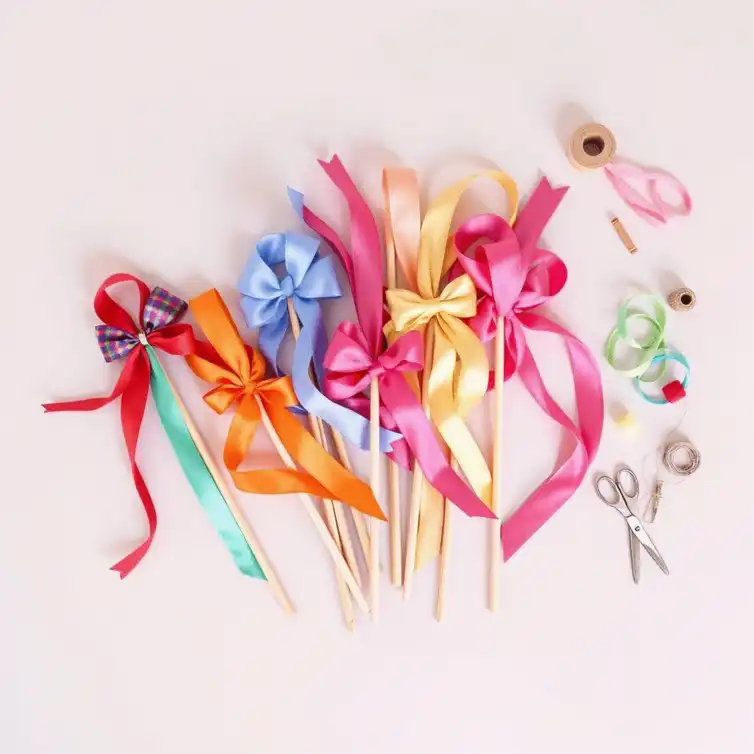
DIY ribbon wands are simple yet effective tools to inspire imaginative play! They are easy to create and can be customized to reflect your child’s interests. By incorporating different colors and textures, you can help spark creativity that leads to endless playtime adventures.
With just a few materials, you can transform ordinary craft supplies into magical wands that encourage exploration. These wands are perfect for dance parties, role-playing, or just twirling around in the backyard. At Tots Tutor, we love how these colorful creations can brighten up playtime while also supporting developmental growth!
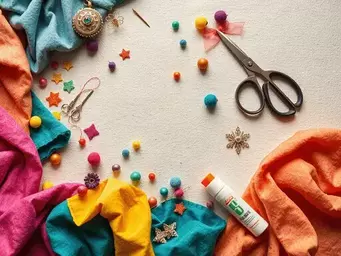
Using craft supplies in children's activities promotes creativity and engagement. When children have the opportunity to create their own toys, like ribbon wands, they become more invested in their play. This hands-on experience not only fosters their imagination but also allows them to express their unique personalities.
Incorporating craft supplies also supports fine motor skill development. As kids cut, tie, and manipulate different materials, they strengthen their hand-eye coordination and dexterity. This is critical for their overall development, as these skills translate into various everyday tasks as they grow!
Here's a brief recap of the key points discussed so far:
Pretend play is more than just fun; it's a vital part of childhood development. In my experience as an educator, I’ve seen how imaginative play stimulates cognitive growth in toddlers. When children engage in pretend play, they explore new concepts and ideas, which helps build critical thinking and problem-solving skills.
Making things like DIY ribbon wands encourages children to use their imagination. As they create their wands and pretend to be various characters, they develop their language skills by narrating stories and expressing emotions. This sort of play creates a rich environment for learning, where every moment is a chance to grow!
Crafting activities like making ribbon wands can significantly support a child's learning skills. When children choose colors, patterns, and designs, they practice decision-making and planning. Each step in creating a wand sparks curiosity and gets them thinking critically about what they're making. For more crafting ideas, explore how to create preschool crafts to boost creativity and learning.
Here are some cognitive benefits of crafting with ribbons:
Creating ribbon wands can also bring children together! When kids work on this project as a group, they develop important social skills. They learn to share ideas, listen to each other, and collaborate to create something special.
Consider these social benefits from collaborative play:
Making ribbon wands isn't just about creativity; it also helps develop fine motor skills. Using scissors, gluing ribbons, and tying knots can enhance hand-eye coordination and dexterity. These skills are crucial for everyday tasks, like writing or buttoning up a shirt! Explore paper plate crafts for more simple and fun ways to enhance motor skills.
Here are some ways crafting can enhance motor skills:
To keep your ribbon wands in great shape, it’s essential to follow some simple care practices. Storing them properly can significantly extend their life, allowing for countless hours of imaginative play. At Tots Tutor, we recommend keeping them in a designated craft box to protect them from tangles and wear.
Here are some tips to maintain your ribbon wands:
We would love to see how your ribbon wands turn out! Sharing your unique creations not only inspires others but also builds a community of fellow crafters. At Tots Tutor, we believe in celebrating creativity, so please feel free to share your experiences and photos. For more inspiration, check out these fun and easy crafts for kids to continue the creative journey!
Let’s keep the spirit of play alive together! Engaging in these activities helps our little ones thrive, and it’s a joy to be part of their learning journey.
Here is a quick recap of the important points discussed in the article: