

- Educational Activities
- Jul 25
2024-07-25
As a parent or caregiver, it's incredible to see how young children learn and grow through play. One of the most effective and engaging ways to encourage this development is through sensory play, and water sensory bins are an excellent way to introduce this concept to toddlers, preschoolers, and kids. In this article, we'll delve into the world of water sensory bins, exploring the basics, benefits, and ideas to get you started.
Sensory play is a vital aspect of childhood development, allowing children to explore, experiment, and learn through their senses. By engaging with different textures, temperatures, and sensations, kids can develop their cognitive, motor, and social skills. Water sensory bins, in particular, offer a unique opportunity for children to engage with the sense of touch, exploring the properties of water and its interactions with various materials.
Water sensory bins are an excellent way to introduce young children to the world of sensory play. They provide a controlled and safe environment for kids to explore, experiment, and learn, all while having fun. In the following sections, we'll dive deeper into the benefits and ideas for setting up water sensory bins that will captivate and engage your little ones.
TIP: Recycle household items like paper rolls and jars for craft projects.
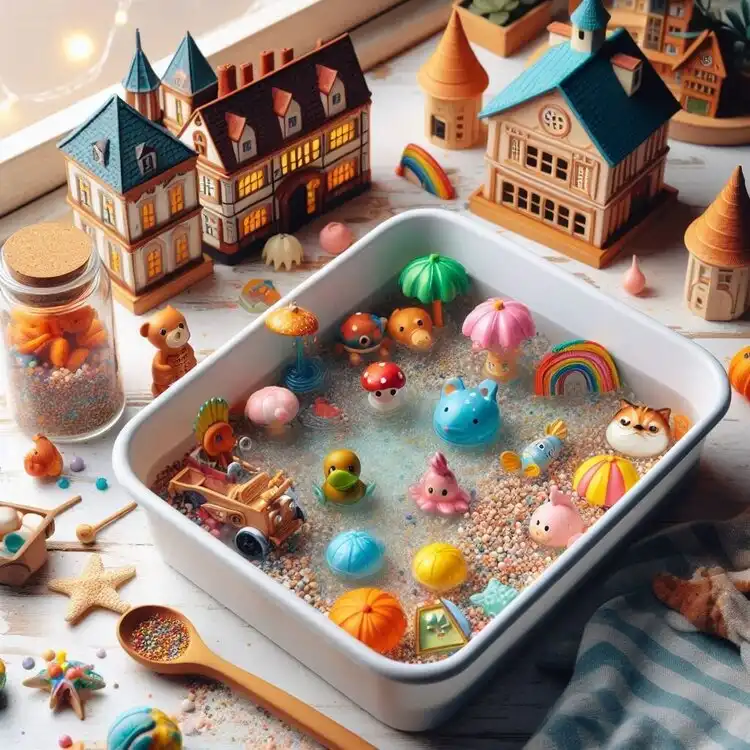
A water sensory bin is a container filled with water and various materials, such as toys, beads, rice, or sand, designed to stimulate a child's senses. The concept is simple: fill a bin with water, add some engaging materials, and let your child explore. However, the beauty of water sensory bins lies in their versatility and adaptability. You can customize the contents to suit your child's interests, age, and abilities, making it an activity that can be enjoyed by toddlers, preschoolers, and kids alike.
One of the key benefits of water sensory bins is their ability to be adapted to different themes and seasons. For example, you can create a summer-themed bin with seashells, ocean creatures, and blue water, or a winter-themed bin with snowflake-shaped beads and icy water. The possibilities are endless, and the flexibility of water sensory bins makes them an excellent activity for any time of the year.
Water sensory play offers a multitude of benefits for young children, including:
By incorporating water sensory bins into your child's play routine, you can unlock a world of exploration, learning, and creativity. In the next section, we'll dive into some exciting water sensory bin ideas to get you started on this sensory journey.
Now that we've covered the basics and benefits of water sensory bins, it's time to dive into some exciting and engaging ideas for toddlers and preschoolers! In this section, we'll explore four unique water sensory bin activities that are sure to delight and educate your little ones.
Beat the heat with this refreshing summer-themed water sensory bin. Fill a bin with water, ice cubes, and a few drops of blue food coloring to create a cool and calming atmosphere. Add some plastic sea creatures, beach balls, and shells to create a fun and interactive experience. You can also include some sponges, cups, and spoons for kids to experiment with.
This activity is perfect for hot summer days when kids need to stay cool and engaged. The ice cubes will melt slowly, providing a fun and educational experience as kids learn about temperature changes and buoyancy.
Combine the sensory experience of water and rice for a unique and engaging activity. Fill a bin with water, rice, and a few drops of food coloring. Add some small toys, beads, or other objects for kids to discover and explore. You can also include some measuring cups, spoons, and funnels for kids to experiment with.
This activity is great for developing fine motor skills, hand-eye coordination, and problem-solving abilities. Kids will love digging and discovering hidden objects in the rice and water mixture.
Get ready for a foamy and fun experience with this shaving cream and water sensory bin! Fill a bin with water, shaving cream, and a few drops of food coloring. Add some toy boats, sponges, and cups for kids to experiment with. You can also include some soap bubbles or foam sheets for added fun.

This activity is perfect for developing sensory awareness, fine motor skills, and imagination. Kids will love creating their own foamy creations and experimenting with different textures and sensations.
Why choose just one theme when you can mix and match different materials and objects? Create a mixed water sensory bin by combining water, beads, rice, sand, and other materials. Add some small toys, cups, and spoons for kids to explore and experiment with.
This activity is great for encouraging creativity, imagination, and problem-solving skills. Kids will love discovering new textures, sounds, and sensations in this mixed sensory bin.
These water sensory bin ideas are just the beginning of a world of exploration and learning for toddlers and preschoolers. By incorporating different materials, objects, and themes, you can create a unique and engaging experience that will leave your little ones wanting more.
As a parent or educator, setting up a water sensory bin can be a daunting task, especially if you're new to sensory play. However, with the right materials, supplies, and mindset, you can create a safe and engaging experience for young children. In this section, we'll explore the essential tips and tricks for setting up water sensory bins that will promote learning, exploration, and most importantly, fun!
Before we dive into the setup process, it's essential to gather the necessary materials and supplies. Here are some must-haves for creating a water sensory bin:
Remember to choose materials that are age-appropriate and safe for your child. For example, if you're working with toddlers, you may want to avoid using small objects that can be a choking hazard.
The type of fillers you choose will depend on the theme and objective of your water sensory bin. Here are some popular filler options:
When selecting fillers, consider your child's interests and abilities. You can also mix and match different fillers to create a unique experience.
Safety should always be your top priority when setting up a water sensory bin. Here are some tips to ensure a safe and controlled environment:
By following these guidelines, you can create a safe and engaging environment that encourages children to explore and learn.
While it's essential to provide a safe environment, it's equally important to teach children how to play with water sensory bins. Here are some tips:
By teaching children how to play with water sensory bins, you can help them develop important skills like problem-solving, creativity, and self-confidence.
Messy play is an inevitable part of sensory exploration, but it doesn't have to be overwhelming. Here are some tips for managing mess and clean up:
By being prepared and having a plan in place, you can minimize the stress associated with messy play and focus on the benefits of water sensory bins.
As we conclude our journey into the world of water sensory bins, it's essential to remember the significance of sensory play in the lives of young children. Water sensory bins offer a unique opportunity for toddlers, preschoolers, and kids to engage with their surroundings, explore their creativity, and develop essential skills that will benefit them throughout their lives.
Sensory play is a critical component of childhood development, allowing children to process and understand the world around them. Through sensory experiences, children can develop their cognitive, motor, and language skills, as well as build confidence, creativity, and problem-solving abilities. Water sensory bins, in particular, offer a calming and soothing environment that can help children regulate their emotions and develop a sense of self-awareness.
We've explored the numerous benefits of water sensory bins throughout this article, from improving fine motor skills and hand-eye coordination to encouraging creativity, imagination, and social interaction. Water sensory bins also offer a unique opportunity for children to develop their problem-solving skills, experiment with cause-and-effect relationships, and explore the properties of water and other materials.
Now that you've learned about the magic of water sensory bins, it's time to take the first step towards creating your own sensory bin experience for your child. Remember to start small, choose materials that resonate with your child's interests, and be prepared to get creative and have fun! With a little imagination and some basic supplies, you can unlock a world of sensory exploration and learning for your child.
Don't be afraid to experiment, try new things, and adapt your water sensory bin to your child's unique needs and preferences. And most importantly, remember to enjoy the journey and have fun alongside your child as they explore, learn, and grow through the magic of water sensory bins.
Water sensory bins are just the beginning of your sensory play journey. There are countless other sensory bin ideas and activities waiting to be explored, from dry sensory bins to edible sensory bins, and everything in between. Take the next step in your sensory play journey and explore our collection of sensory bin ideas, activities, and resources, designed specifically for toddlers, preschoolers, and kids.
Together, let's unlock the full potential of sensory play and provide young children with the tools they need to thrive, grow, and succeed in an ever-changing world.