
10 Fun No-Prep Activities for 1-Year-Olds, Playtime Ideas for Toddlers

10 No-Prep Activities for 1-Year-Olds

Laura

2024-07-05

Tots Tutor

Engaging No-Prep Activities for 1-Year-Olds: A Comprehensive Guide

As a parent, it's essential to provide your 1-year-old with engaging activities that promote cognitive development, independence, and self-confidence. No-prep activities are an excellent way to achieve this, and in this comprehensive guide, we'll explore the benefits and importance of incorporating them into your daily routine.

Why No-Prep Activities Are Essential for 1-Year-Olds

No-prep activities are a game-changer for parents of 1-year-olds. These activities offer a multitude of benefits that can have a lasting impact on your child's development. Here are just a few reasons why no-prep activities are essential for 1-year-olds:

  • Cognitive Development: No-prep activities stimulate cognitive growth by encouraging problem-solving, critical thinking, and creativity. These skills are crucial for future learning and development.
  • Independence and Self-Confidence: No-prep activities empower 1-year-olds to take ownership of their play, making them feel more independent and confident. This, in turn, helps build self-esteem and self-worth.
  • Reducing Parental Stress and Increasing Bonding Time: No-prep activities eliminate the need for elaborate preparations, reducing parental stress and allowing for more quality time with your child. This bonding time is essential for building a strong, loving relationship.

Understanding the Needs of 1-Year-Olds

To create effective no-prep activities, it's essential to understand the unique needs and abilities of 1-year-olds. At this age, children are constantly exploring and learning about their environment. Here are some key things to keep in mind:

  • Developmental Milestones at 1 Year: At 1 year, children are refining their motor skills, learning to communicate, and developing problem-solving abilities. No-prep activities should be designed to support and encourage these milestones.
  • Tailoring Activities to Their Age and Abilities: No-prep activities should be tailored to your child's individual needs and abilities. This means observing their interests and strengths, and creating activities that cater to these areas.

By understanding the needs of 1-year-olds and incorporating no-prep activities into your daily routine, you can provide your child with a solid foundation for future learning and development. In the next section, we'll explore no-prep sensory play activities that are perfect for 1-year-olds.

No-Prep Sensory Play for 1-Year-Olds

As a parent or caregiver, you're likely aware of the importance of sensory play in your 1-year-old's development. Sensory experiences help little ones explore and understand the world around them, and no-prep activities make it easy to provide these experiences without breaking a sweat. In this section, we'll dive into some engaging no-prep sensory play ideas that will delight your 1-year-old and foster their cognitive and creative growth.

Exploring Textures and Colors

Sensory play is all about exploration, and what better way to explore than through textures and colors? At 1 year old, your little one is beginning to develop their sense of touch and is fascinated by different textures and sensations. Here are some no-prep ideas to get you started:

  • Finger Painting**: Set up a space where your 1-year-old can paint using their fingers. You can use washable paint and paper, or even let them paint on a large piece of cardboard. This activity allows your child to explore different textures and colors while developing their fine motor skills.
  • Sensory Bins**: Fill a bin with rice, beans, or sand and hide small toys or other objects for your 1-year-old to find and explore. You can also add different textures like pompoms, pipe cleaners, or foam shapes to create a unique sensory experience.
  • Everyday Objects**: Use everyday objects to create a sensory experience. For example, fill a container with water and add soap for a fun and educational water play experience. You can also use a muffin tin and fill each cup with a different texture, like play dough, sand, or rice.

Remember, the key to successful sensory play is to let your child lead the way. Encourage them to explore and experiment with different textures and colors, and be there to support and engage with them as they play.

Sound and Music Exploration

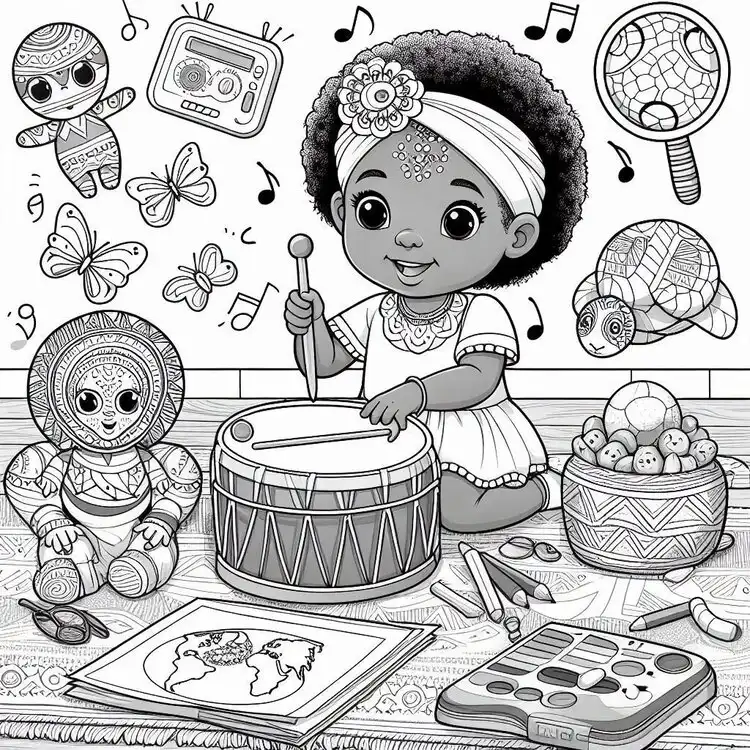
Sound and music exploration is another essential aspect of sensory play. At 1 year old, your child is beginning to develop their sense of hearing and is fascinated by different sounds and rhythms. Here are some no-prep ideas to get you started:

  • DIY Instrument**: Create a DIY instrument using everyday objects. For example, fill an empty water bottle with beads or rice and let your 1-year-old shake it to create a fun sound. You can also use pots, pans, and wooden spoons to create a makeshift drum set.
  • Household Items**: Use household items to create different sounds. For example, bang a wooden spoon on a pot, or run a metal colander under running water to create a fun sound. You can also use a straw to blow across the top of a bottle to create a fun, resonant sound.

Remember to always supervise your child during sound and music exploration, and encourage them to experiment with different sounds and rhythms. This will help them develop their sense of hearing and creativity.

In the next section, we'll explore no-prep fine motor activities that will help your 1-year-old develop their hand-eye coordination and dexterity. Stay tuned for more fun and engaging ideas!

No-Prep Fine Motor Activities for 1-Year-Olds

At 1 year old, children are constantly exploring and learning about their surroundings through touch, sight, and sound. Fine motor skills play a vital role in their overall development, as they learn to manipulate objects, grasp, and release. No-prep fine motor activities are an excellent way to encourage this development, and the best part is that they require minimal to no preparation time!

Developing Hand-Eye Coordination

Hand-eye coordination is the ability to coordinate visual information with physical movement. At 1 year old, children are still refining this skill, and no-prep activities can help them achieve this milestone. Here are some ideas:

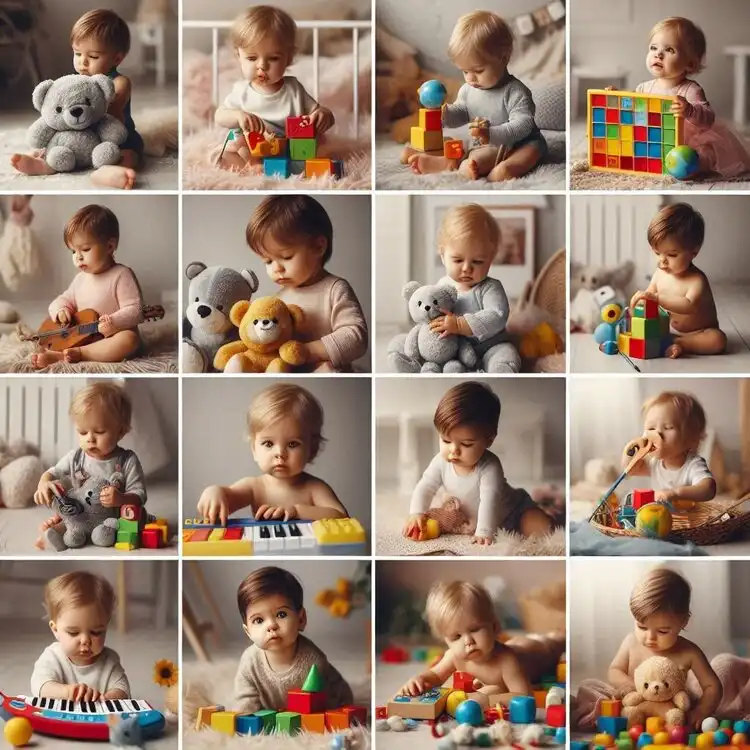
  • Stacking and Nesting Toys: Provide your child with a set of stacking toys, such as wooden blocks, cups, or rings. Demonstrate how to stack and nest them, and watch as they develop their hand-eye coordination.
  • Using Small Objects for Fine Motor Practice: Fill a container with small objects like beads, pompoms, or small toys. Have your child use their fingers to pick up and sort the objects, promoting hand-eye coordination and fine motor control.

Remember to supervise your child during these activities and provide guidance when needed. As they become more confident, you can gradually increase the difficulty level by introducing smaller objects or more complex stacking tasks.
10 No-Prep Activities for 1-Year-Olds

Improved Dexterity and Grip Strength

Dexterity and grip strength are essential for 1-year-olds to master everyday tasks, such as holding utensils, dressing, and even feeding themselves. No-prep activities can help improve these skills:

  • Using Everyday Objects for Grasping Practice: Gather various objects with different textures, shapes, and sizes, such as soft toys, wooden spoons, or small balls. Have your child practice grasping and releasing each object, developing their grip strength and dexterity.
  • Simple Finger Exercises: Place a small toy or object on a flat surface and encourage your child to use their fingers to push, pull, or rotate it. This activity helps strengthen finger muscles and improves overall dexterity.

As your child becomes more proficient, you can introduce more complex objects or tasks, such as using both hands to grasp an object or manipulating small toys with their fingers.

Incorporating no-prep fine motor activities into your daily routine can have a significant impact on your child's development. By providing opportunities for practice and exploration, you can help your 1-year-old build a strong foundation for future learning and independence.

As we conclude our journey through the world of no-prep activities for 1-year-olds, it's essential to emphasize the significance of embracing this approach in our daily lives. By incorporating no-prep activities into our daily routine, we can foster a love for learning, creativity, and imagination in our little ones.

Conclusion and Call to Action

Embracing the Power of No-Prep Activities

As we've seen throughout this guide, no-prep activities offer a multitude of benefits for 1-year-olds. From cognitive development to independence and self-confidence, these activities play a crucial role in shaping our child's future. By embracing no-prep activities, we can:

Teach kids to read at home by reading aloud to them regularly, using phonics programs, playing word games, and providing access to a variety of books. Encourage daily reading habits and make it a fun and engaging activity.

Interactive learning activities for preschoolers include interactive storytime, educational apps, hands-on science experiments, arts and crafts, and sensory bins. These activities promote learning through play and exploration.

Make learning history fun by using interactive timelines, visiting historical sites, reading historical fiction, watching documentaries, and engaging in reenactments. Incorporate hands-on activities like crafting historical artifacts and role-playing to make history come alive.
  • Encourage creativity and imagination: No-prep activities allow our little ones to explore and express themselves freely, unhindered by rigid structures or expectations.
  • Build a strong foundation for future learning: By engaging in no-prep activities, our 1-year-olds develop essential skills that will serve them well in their future academic pursuits.

As parents and caregivers, it's our responsibility to provide our children with opportunities that spark their curiosity and creativity. By doing so, we can help them develop a lifelong love for learning and exploration.

Start Your No-Prep Journey Today!

Now that you've made it to the end of this comprehensive guide, it's time to take action! I encourage you to:

  • Try a no-prep activity with your 1-year-old today: Choose one of the activities we've discussed, and see the joy and excitement it brings to your child's face.
  • Share your experiences and tips in the comments: Let's build a community of like-minded parents and caregivers who are passionate about providing the best possible start for our little ones.

Remember, the journey to embracing no-prep activities is just the beginning. With patience, creativity, and a willingness to learn alongside your child, you can unlock a world of possibilities and watch your 1-year-old thrive.
Educational Resources for Children