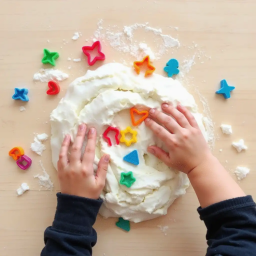
Introducing toddlers to the wonders of sensory play can be both thrilling and educational. One particularly delightful material for sensory exploration is taste-safe kinetic sand. Let's delve into why taste-safe kinetic sand is a fantastic choice for young children.
Introduction to Taste-Safe Kinetic Sand
Taste-safe kinetic sand offers a unique sensory experience for toddlers, allowing them to engage their senses without worry. Unlike traditional sand, this specialized variety is formulated to be safe for little ones who are prone to tasting everything they encounter. Its non-toxic nature brings peace of mind to parents while still providing an exciting tactile experience for children.
Moreover, taste-safe kinetic sand possesses remarkable properties that set it apart from other sensory materials. Its ability to stick to itself but not to skin or surfaces makes cleanup a breeze, ensuring hours of hassle-free playtime.
By incorporating taste-safe kinetic sand into play sessions, parents and caregivers can encourage sensory exploration and fine motor skill development in an enjoyable and risk-free manner.
Now that we've explored the benefits of taste-safe kinetic sand, let's move on to understanding how to create this sensory wonder at home.
Crafting Taste-Safe Kinetic Sand
Now that we understand the appeal of taste-safe kinetic sand, let's dive into the process of crafting this sensory marvel right in the comfort of your own home. Below, you'll find everything you need to know, from the essential supplies to a step-by-step guide. Read our full article on Explore diy advent calendars kids to get a thorough understanding. We cover all the bases and offer practical advice and tips.
TIP: Always supervise children during activities to ensure their safety.
Supplies for Making Taste-Safe Kinetic Sand
Making taste-safe kinetic sand requires a few basic ingredients that are easy to find. Here's what you'll need:
Flour: The primary ingredient, flour provides the base for your kinetic sand. Opt for all-purpose flour for best results.
Vegetable Oil: Vegetable oil adds the necessary texture and binding properties to your kinetic sand mixture. It helps create the characteristic flowy consistency.
Water: Water is used to moisten the mixture, aiding in the cohesion of the ingredients.
Salt: Salt enhances the sensory experience and adds a subtle graininess to the kinetic sand.
Food Coloring: Optional but recommended, food coloring allows you to customize the color of your kinetic sand according to your preferences.
By ensuring you have all these supplies on hand, you'll be well-equipped to embark on your taste-safe kinetic sand crafting adventure.
Step-by-Step Guide to Making Taste-Safe Kinetic Sand
Now that you've gathered your supplies, it's time to dive into the fun part: making taste-safe kinetic sand. Follow these simple steps:
Step 1: In a large mixing bowl, combine 2 cups of flour and 1 cup of salt. Mix thoroughly to ensure even distribution.
Step 2: Gradually add 1 tablespoon of vegetable oil while stirring the mixture. Continue mixing until the oil is fully incorporated and the texture becomes crumbly.
Step 3: Slowly add water, one tablespoon at a time, and knead the mixture until it reaches the desired consistency. The kinetic sand should hold its shape when molded but still be moldable and pliable.
Step 4: Optional: Add a few drops of food coloring to the mixture and knead until the color is evenly distributed. Experiment with different colors to create vibrant and visually appealing kinetic sand.
Step 5: Your taste-safe kinetic sand is now ready to use! Store it in an airtight container when not in use to prevent it from drying out.
With these simple steps, you can create your own batch of taste-safe kinetic sand and enjoy hours of sensory play with your little ones. Take a deep dive into our article on All about water tables kids. This comprehensive guide will provide you with all the information you need to understand this subject better.
Enhancing Sensory Play with Taste-Safe Kinetic Sand
Now that you've mastered the art of crafting taste-safe kinetic sand, let's explore how you can take sensory play to the next level with creative kinetic sand sensory bins. Additionally, we'll delve into the age suitability of this activity and the myriad benefits it offers for children's development.
Kinetic Sand Sensory Bin Ideas
Setting up a kinetic sand sensory bin is an excellent way to engage children in hands-on exploration and imaginative play. Here are some inspiring ideas to get you started:
Beach Day Sensory Bin: Fill a large container with taste-safe kinetic sand, seashells, toy boats, and miniature palm trees. Add a splash of blue fabric or paper for the ocean, and watch as children create their own seaside adventures.
Dinosaur Excavation Bin: Hide small dinosaur figurines or bones in a bin filled with kinetic sand. Provide children with brushes and magnifying glasses to excavate the "fossils" and learn about prehistoric creatures in a fun and interactive way.
Construction Site Bin: Use kinetic sand as a base for a construction-themed sensory bin. Add toy trucks, bulldozers, and construction cones for children to build roads, dig trenches, and transport "materials" in their imaginative construction site.
These sensory bin ideas encourage creativity, sensory exploration, and fine motor skill development in young children.
Age Suitability and Benefits
Taste-safe kinetic sand is suitable for children of various ages, but it is particularly well-suited for toddlers and preschoolers. The soft texture and non-toxic nature of the sand make it safe for young children to explore with their hands and engage in sensory play without the risk of ingesting harmful substances.
Sensory play, such as playing with kinetic sand, offers numerous benefits for children's development, including:
Enhanced Fine Motor Skills: Manipulating the sand, shaping it into different forms, and exploring various textures help strengthen children's hand muscles and improve their fine motor coordination.
Encouragement of Creativity: Kinetic sand provides a blank canvas for children to express their creativity and imagination. Whether they're building sandcastles, molding shapes, or creating intricate patterns, kinetic sand fosters open-ended play and encourages self-expression.
Stress Relief and Calming Sensory Experience: The tactile experience of playing with kinetic sand can be soothing and calming for children, helping them regulate their emotions and alleviate stress or anxiety.
By incorporating taste-safe kinetic sand into sensory play activities, parents and educators can support children's holistic development while providing them with hours of fun and engaging play experiences.
With these sensory bin ideas and insights into the developmental benefits of taste-safe kinetic sand play, you're well-equipped to create enriching sensory experiences for the children in your care.
Further Exploration and Resources
As you delve deeper into the world of sensory play with taste-safe kinetic sand, there are additional resources and ideas to explore that can enhance your child's learning and development. Let's take a look at some exciting sensory bins for curious kids and a valuable STEAM activity book that offers endless opportunities for educational fun.
Exciting Sensory Bins for Curious Kids
If you're looking to expand your child's sensory play experiences beyond kinetic sand, consider exploring other sensory bin ideas that spark curiosity and imagination. Here are a few suggestions:
Nature Exploration Bin: Fill a bin with natural materials like leaves, pinecones, rocks, and twigs. Encourage children to explore the textures, colors, and scents of nature while engaging in imaginative play scenarios.
Sensory Alphabet Bin: Create a sensory bin focused on letter recognition and early literacy skills. Fill the bin with materials that correspond to each letter of the alphabet, such as small toys, objects, or sensory materials. As children dig through the bin, they can identify letters and practice letter sounds.
Water Play Sensory Bin: Transform a shallow container into a water play sensory bin by adding water, measuring cups, funnels, and water-safe toys. Children can experiment with pouring, scooping, and splashing while developing hand-eye coordination and exploring concepts of volume and capacity.
These sensory bins offer endless opportunities for open-ended play and sensory exploration, providing valuable learning experiences for children of all ages.
STEAM Activity Book
For parents and educators seeking hands-on STEAM (Science, Technology, Engineering, Arts, and Mathematics) activities for preschoolers, The STEAM Activity Book is an invaluable resource.
This comprehensive book features a wide range of engaging and educational activities designed to ignite children's curiosity and foster a love for learning. From simple science experiments to creative art projects, the STEAM Activity Book offers something for every young explorer.
With easy-to-follow instructions and accessible materials, parents and educators can use this book to create meaningful learning experiences that promote critical thinking, problem-solving, and creativity in young children.
Whether you're looking for rainy day activities, weekend projects, or educational supplements for homeschooling, The STEAM Activity Book is sure to inspire hours of educational fun for the whole family.
Call to Action: Sharing and Feedback
We hope you've found this guide to taste-safe kinetic sand and sensory play inspiring and informative. If you've enjoyed exploring these ideas, we encourage you to share this article with other parents and educators who may benefit from it.
Additionally, if you have any questions, feedback, or suggestions for future topics, we'd love to hear from you. Feel free to reach out to us via social media or email, and let's continue the conversation about creating enriching learning experiences for children.